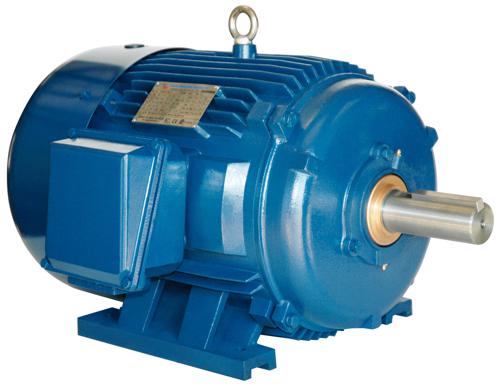
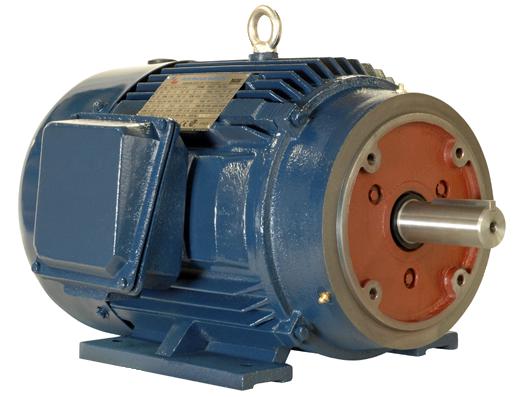
When standard-duty motors can’t keep up with continuous heavy loading, frequent starts, or harsh operating environments, a heavy duty motor is typically the next step up. Heavy duty electric motors are built with reinforced windings, upgraded bearings, and more robust frame construction to handle the higher torque demands and thermal stress found in crushers, conveyors, pumps, and other continuous-duty industrial equipment. Compared to general purpose motors, heavy duty models are typically rated for a higher service factor and tighter thermal margins, giving MRO teams more headroom before a motor runs into overload or overheating issues. 3BG Supply Co. stocks heavy duty motors across a wide horsepower and voltage range, alongside our broader AC motors lineup, so you can match frame size, enclosure type, and duty rating to your specific application.
Find the right Heavy Duty Motors for your needs.


FAQs
What makes a heavy duty motor different from a standard motor?
Heavy duty motors are built with reinforced windings, upgraded bearings, and sturdier frame construction to handle higher torque, more frequent starts, and harsher operating conditions than a standard general purpose motor. They're typically rated with a higher service factor, giving equipment more margin before reaching overload.
What applications typically require heavy duty electric motors?
Heavy duty electric motors are common in crushers, conveyors, high-load pumps, and other continuous-duty equipment where thermal stress and mechanical loading exceed what a general purpose motor is designed to handle. Any application with frequent starts, high inertia loads, or sustained full-load operation is a good candidate for a heavy duty rating.
What is service factor, and why does it matter for heavy duty motors?
Service factor is a multiplier indicating how much above its rated horsepower a motor can safely handle for short periods without overheating — a 1.15 service factor motor can briefly run at 115% of its rated load. Heavy duty motors typically carry a higher service factor than general purpose models, providing extra margin for demanding or variable loads.
How do I choose the right frame size and enclosure for a heavy duty motor?
Frame size needs to match your existing mounting dimensions and shaft coupling, while enclosure type (open, TEFC, or explosion-proof, for example) should match your environmental exposure to dust, moisture, or hazardous materials. Our team can help cross-reference these specifications against your current motor or application requirements.
How often should heavy duty motors be inspected?
Most manufacturers recommend inspecting heavy duty motors at regular maintenance intervals for bearing noise, winding temperature, and vibration, with more frequent checks on motors running continuous duty cycles. Catching early signs of bearing wear or insulation breakdown helps avoid unplanned downtime on critical equipment.
Industrial Heavy Duty Motors Manufacturers
Your Trusted Source for MRO Supplies from Top Brands