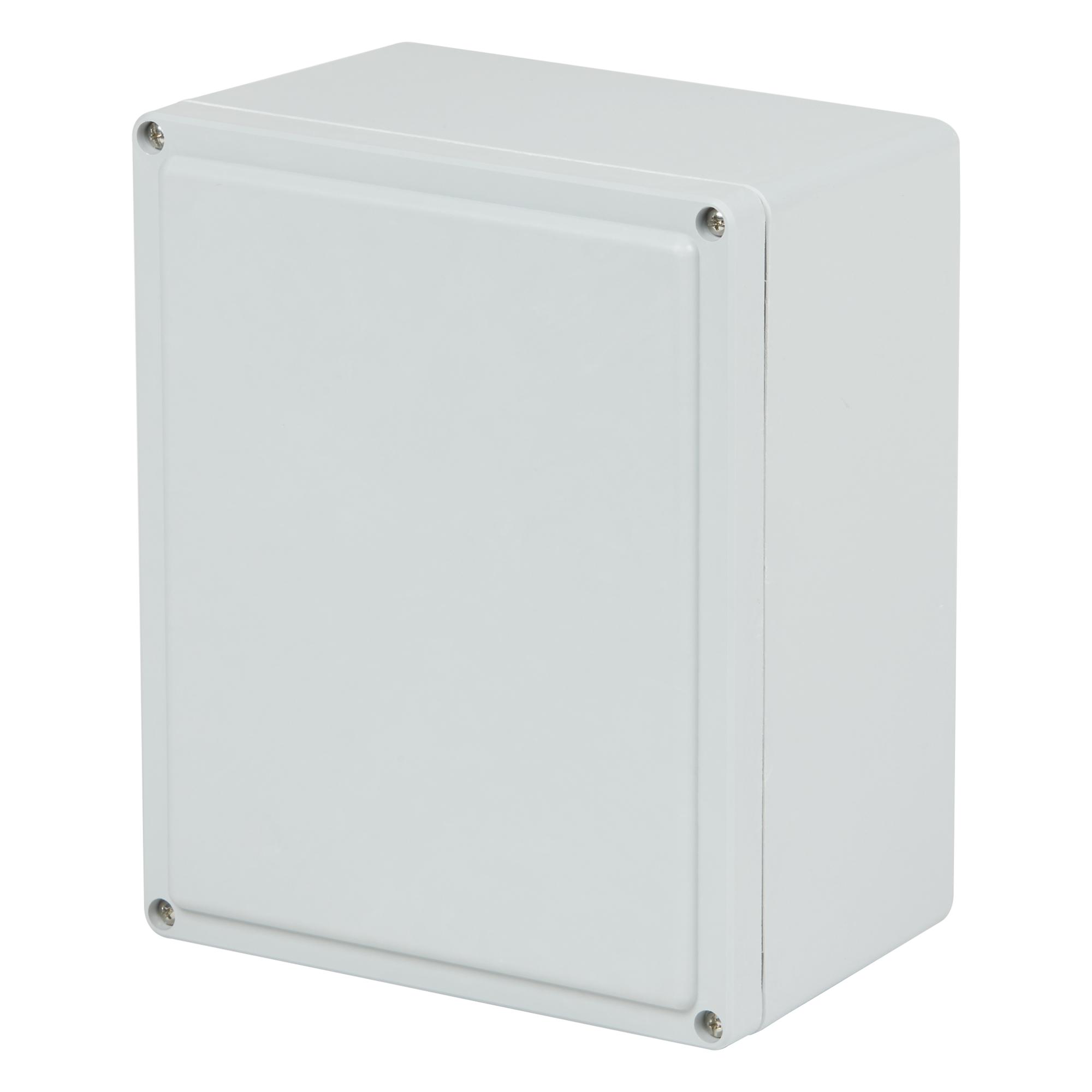
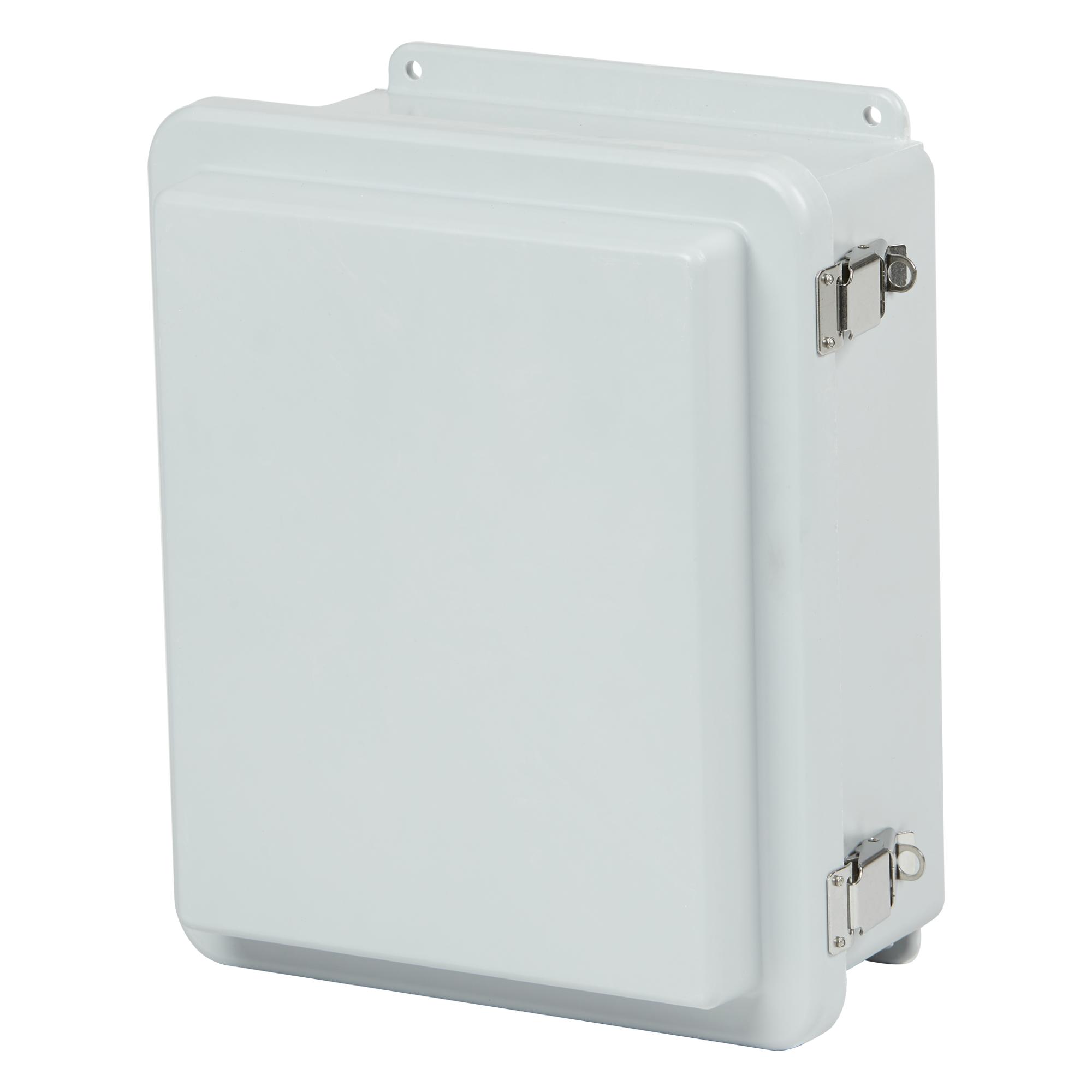
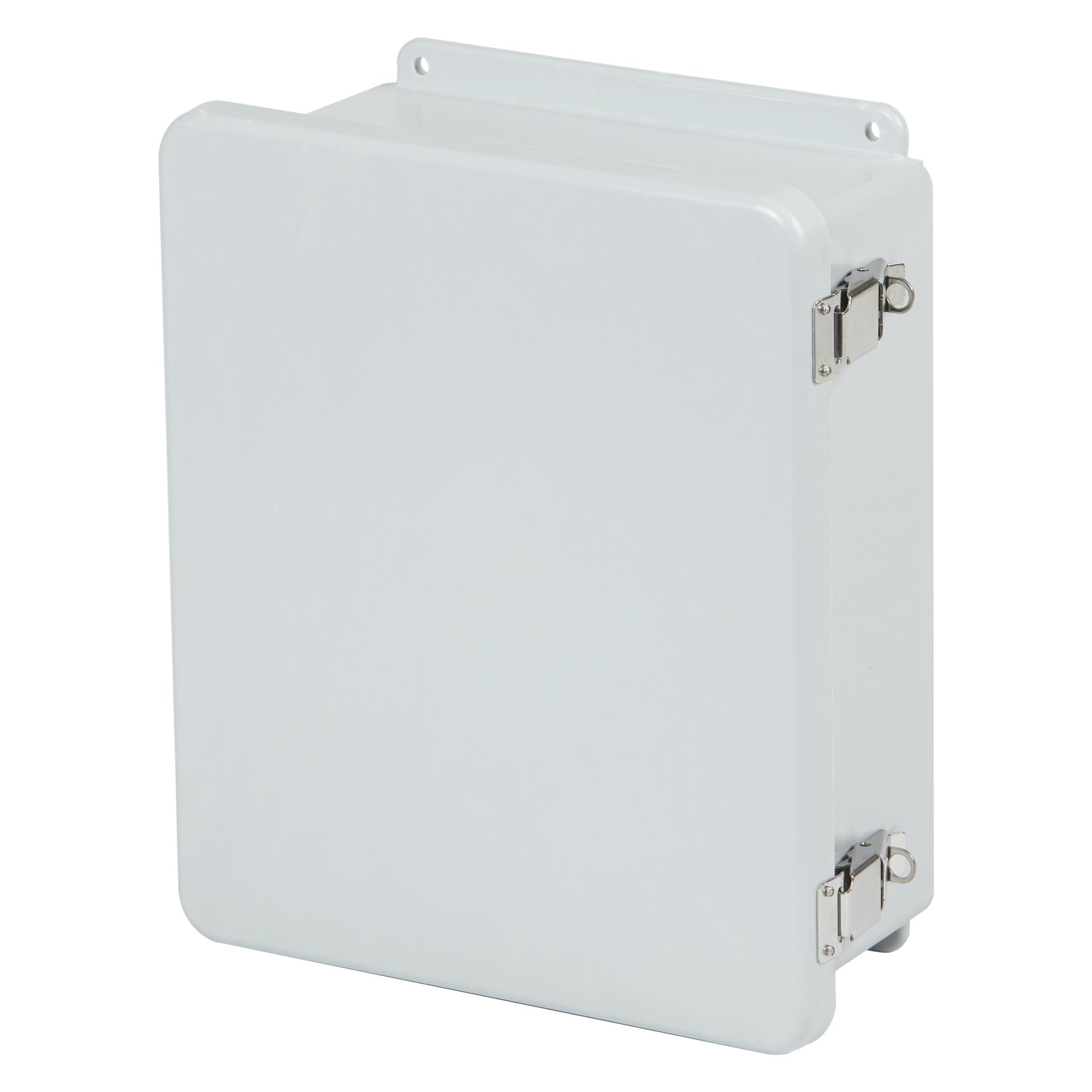
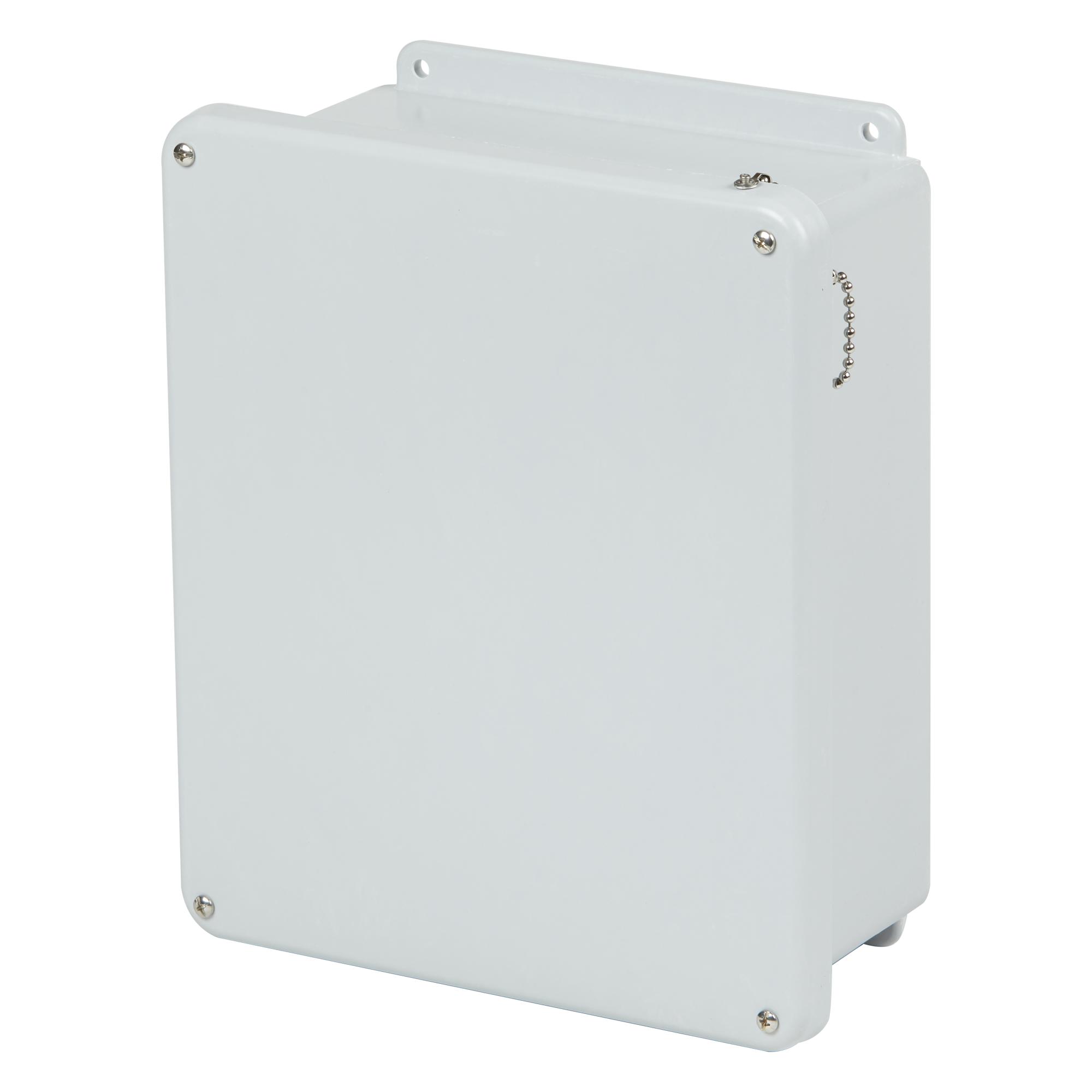
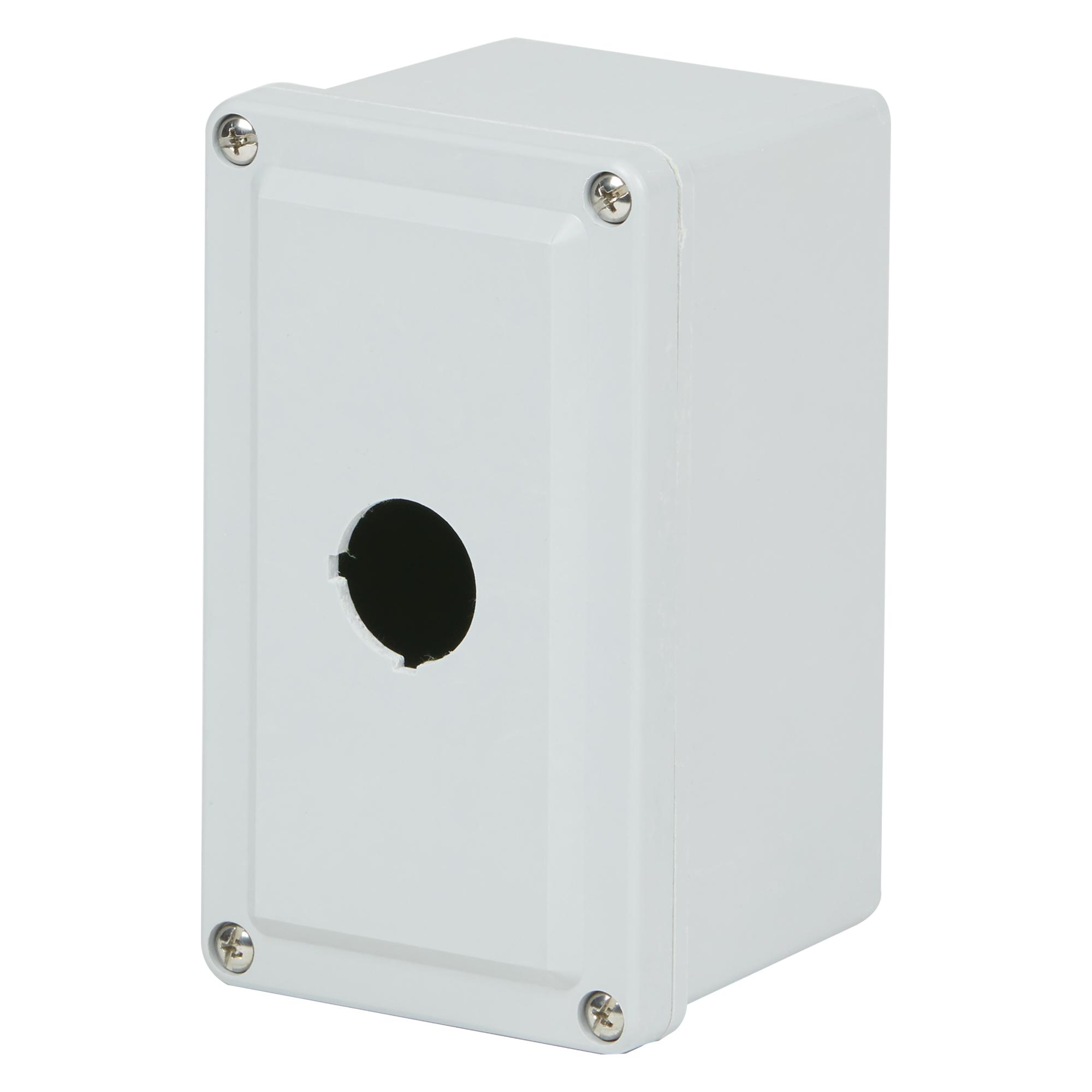
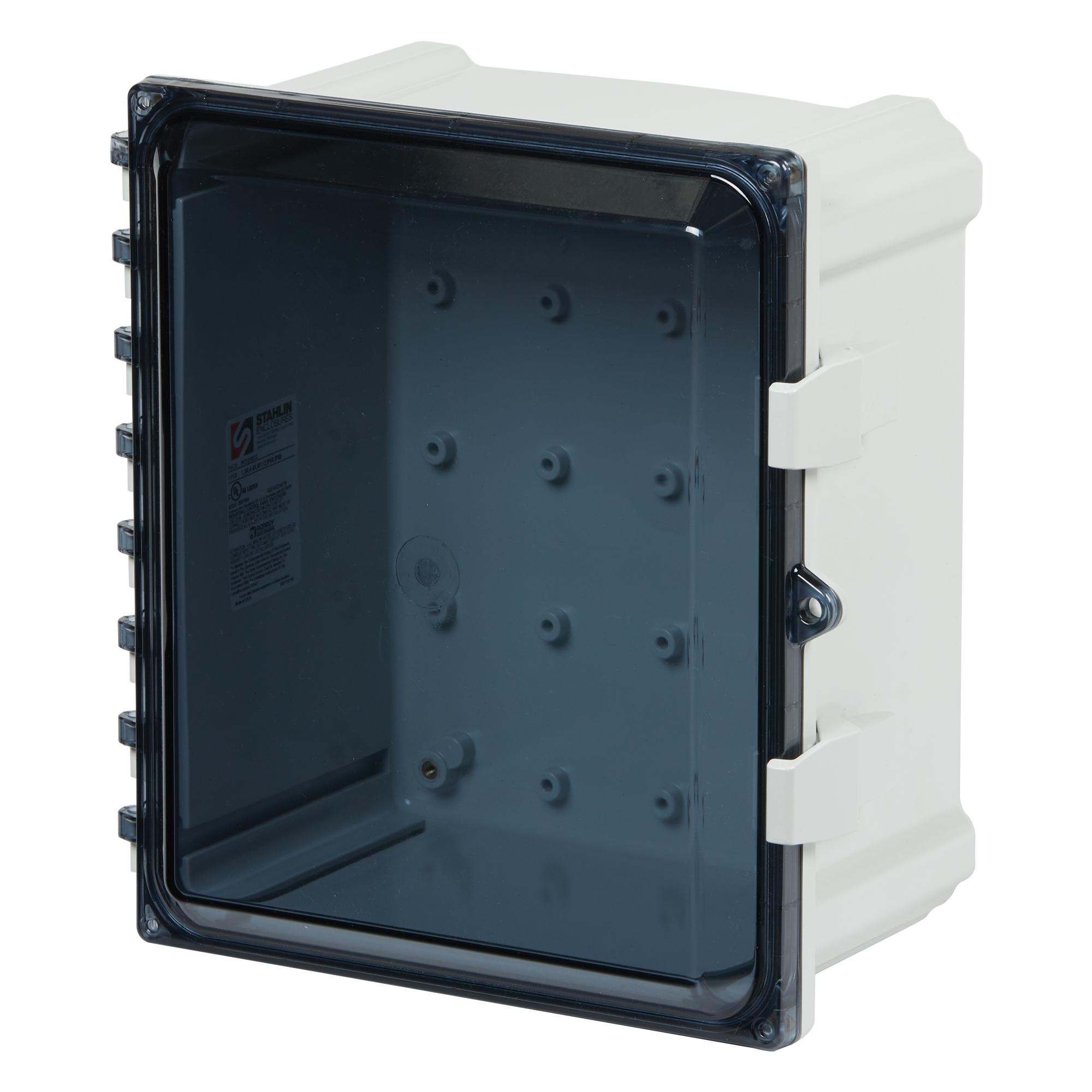
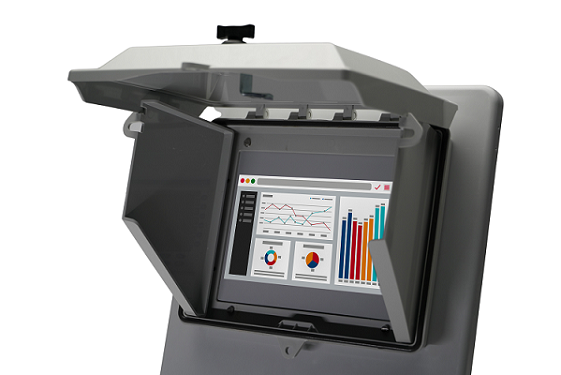
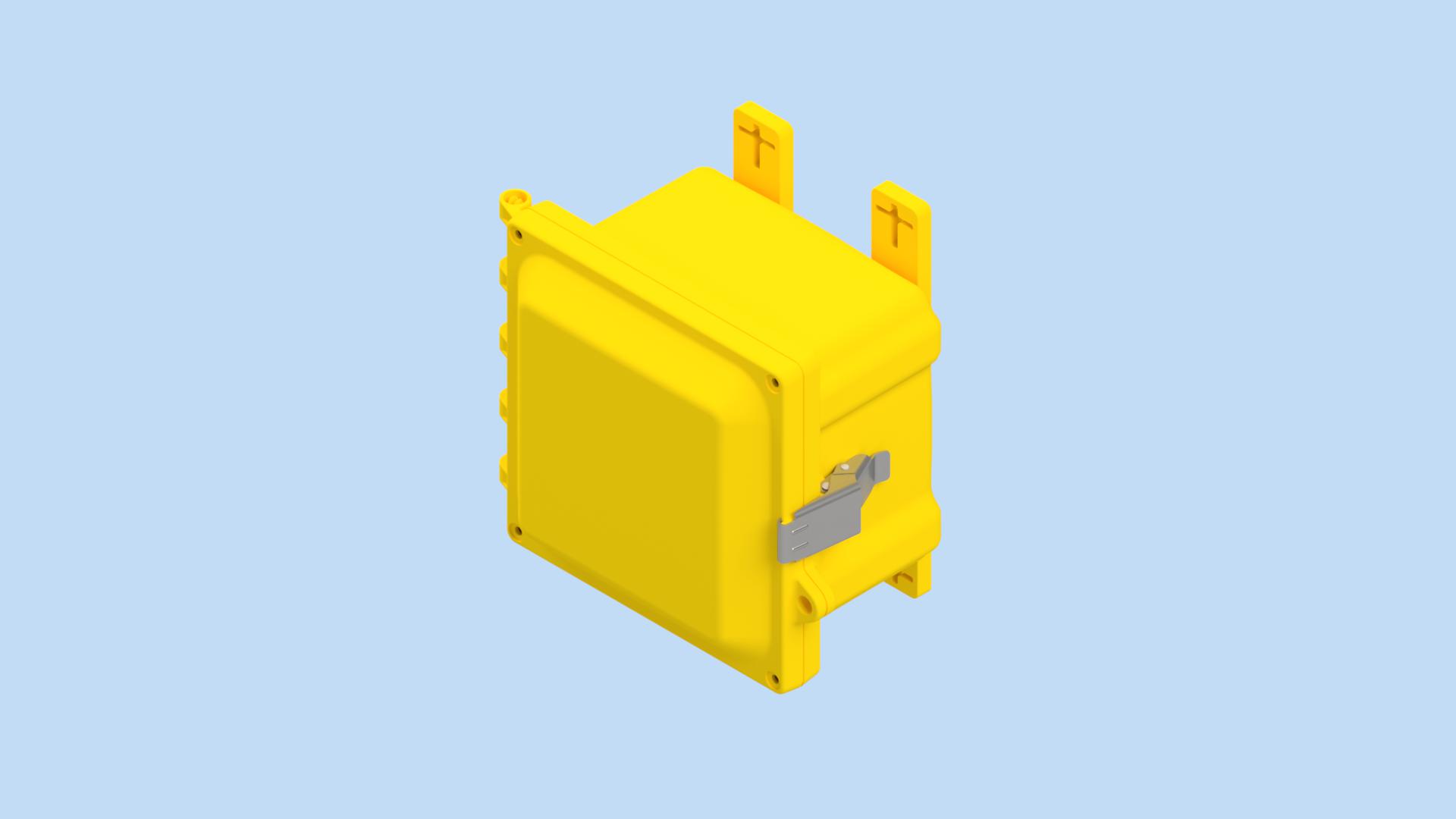
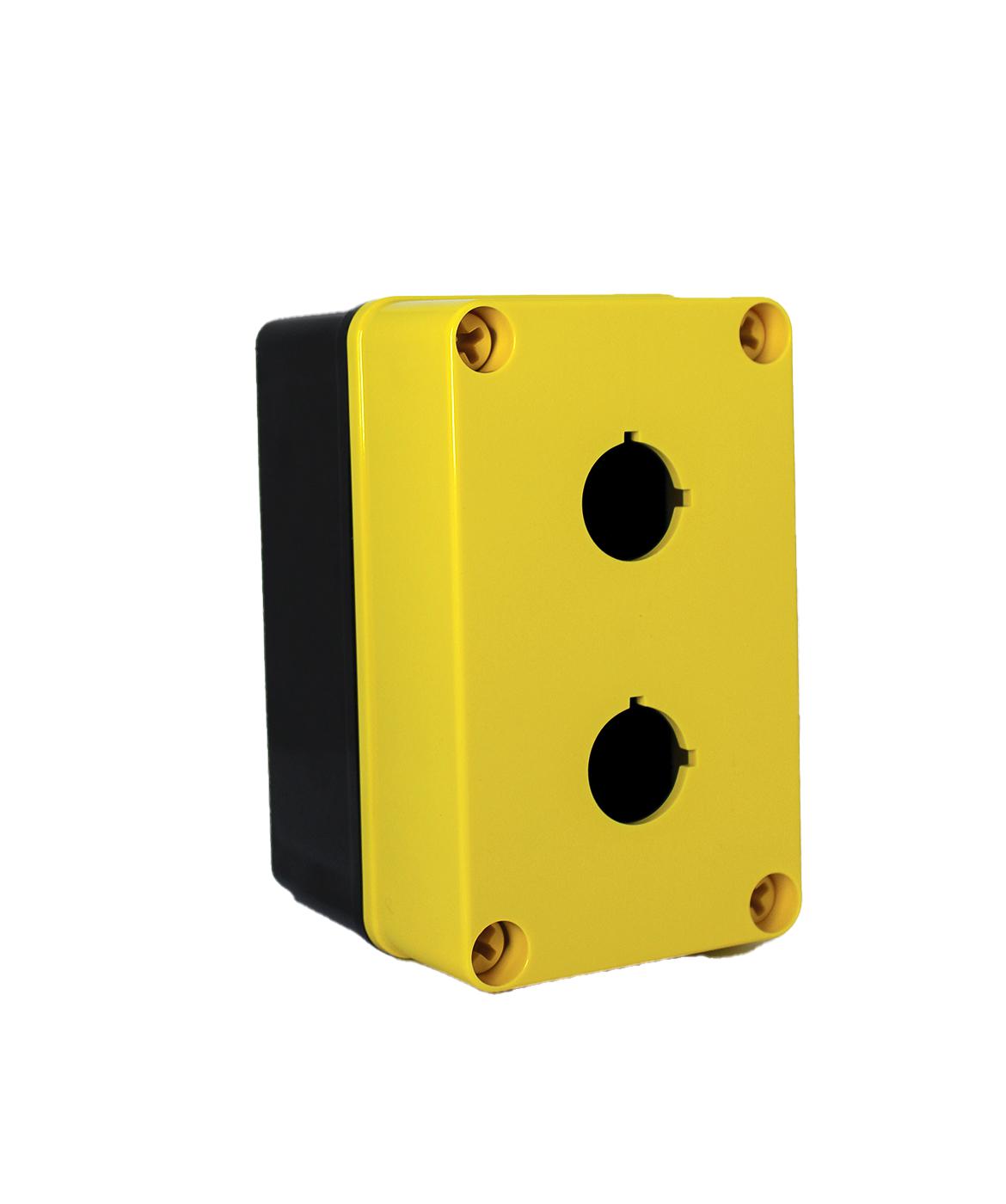
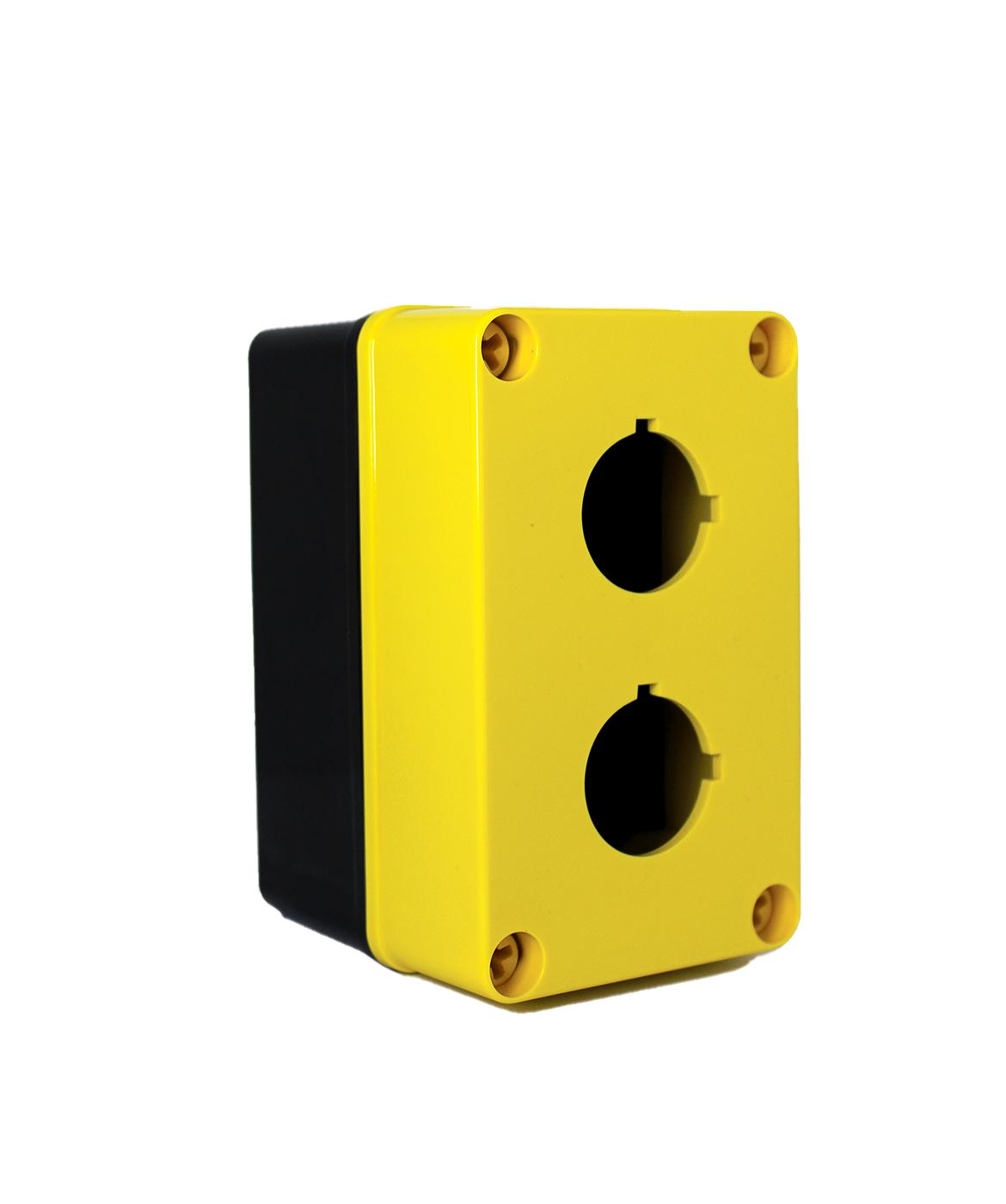
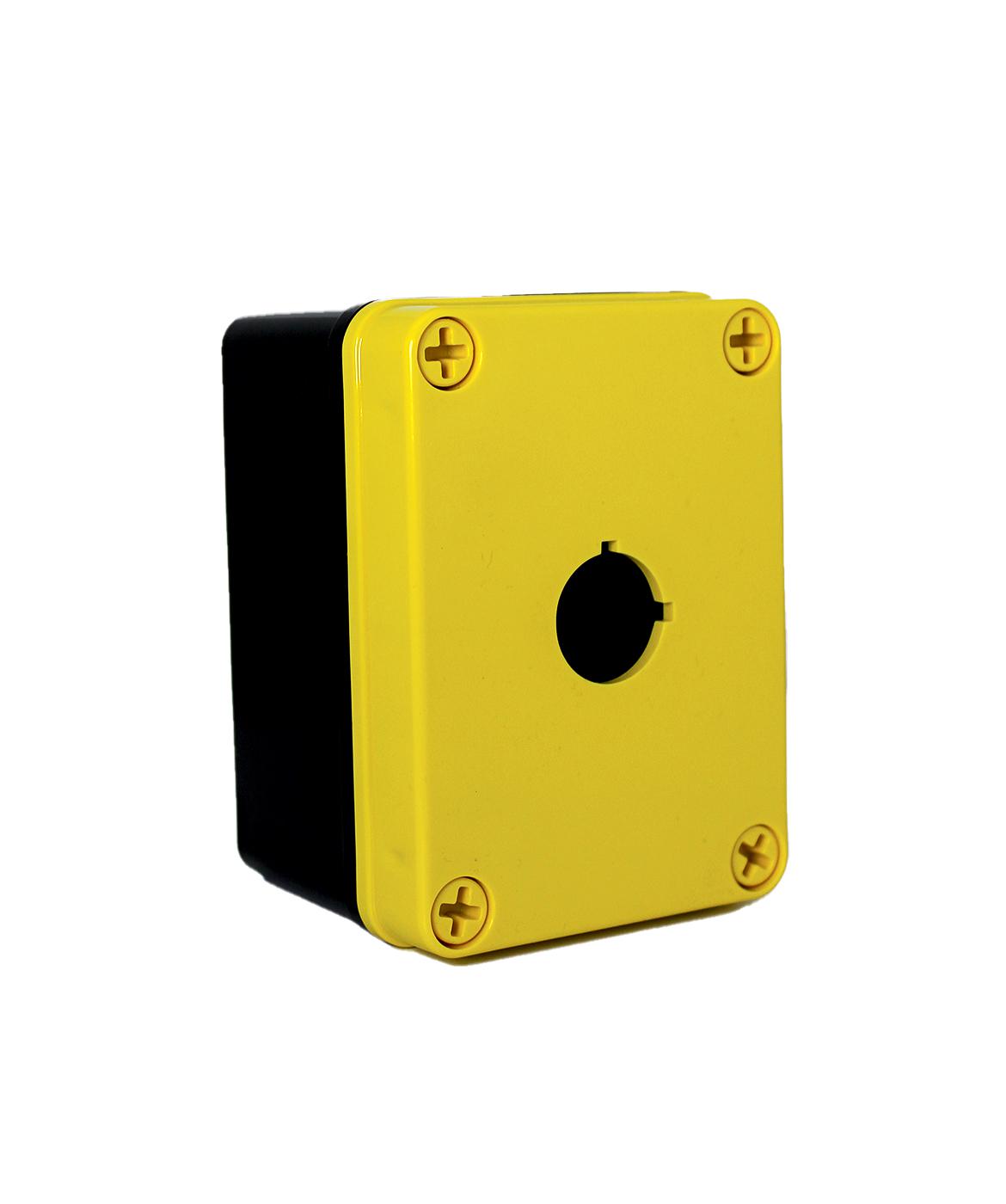
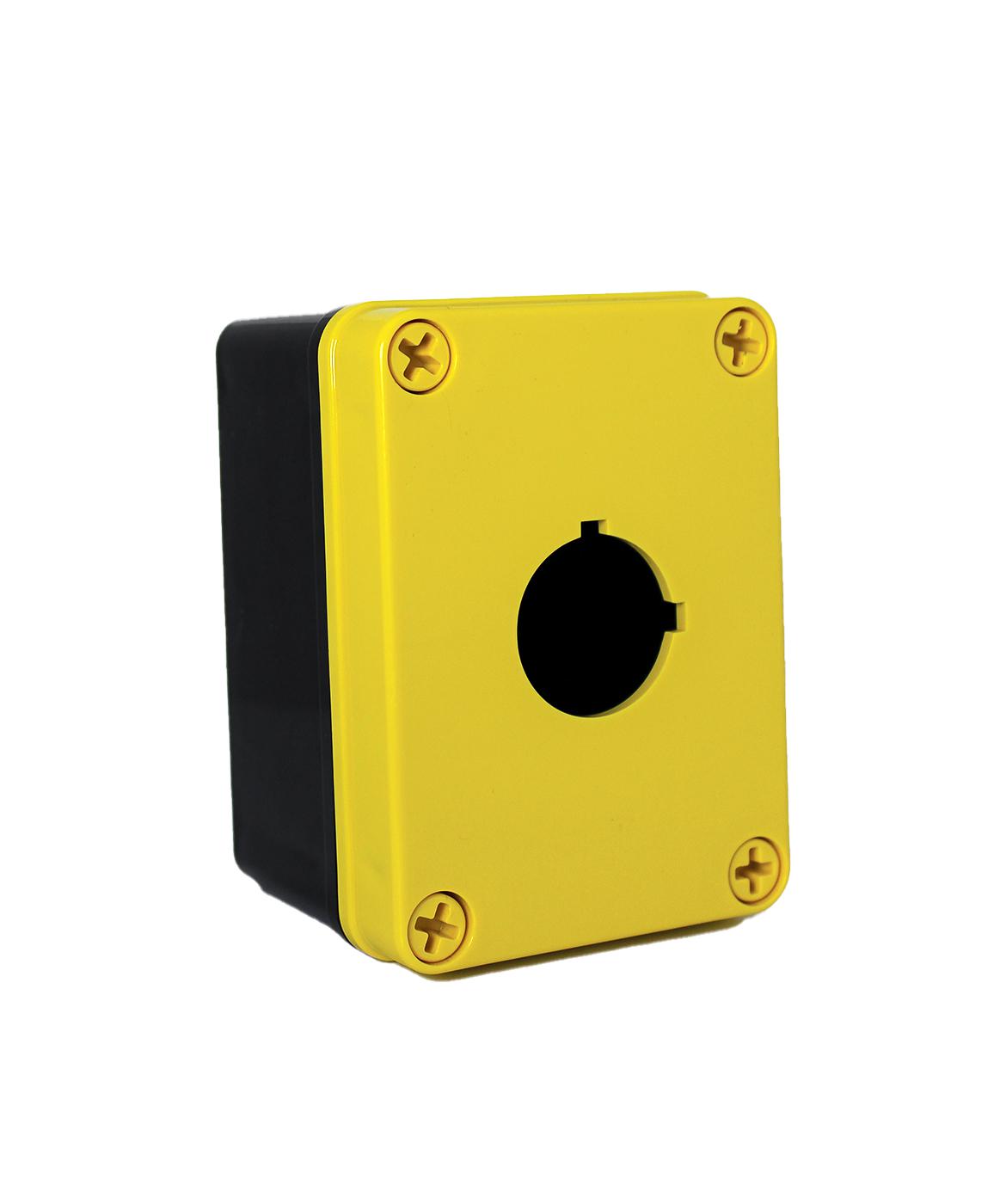
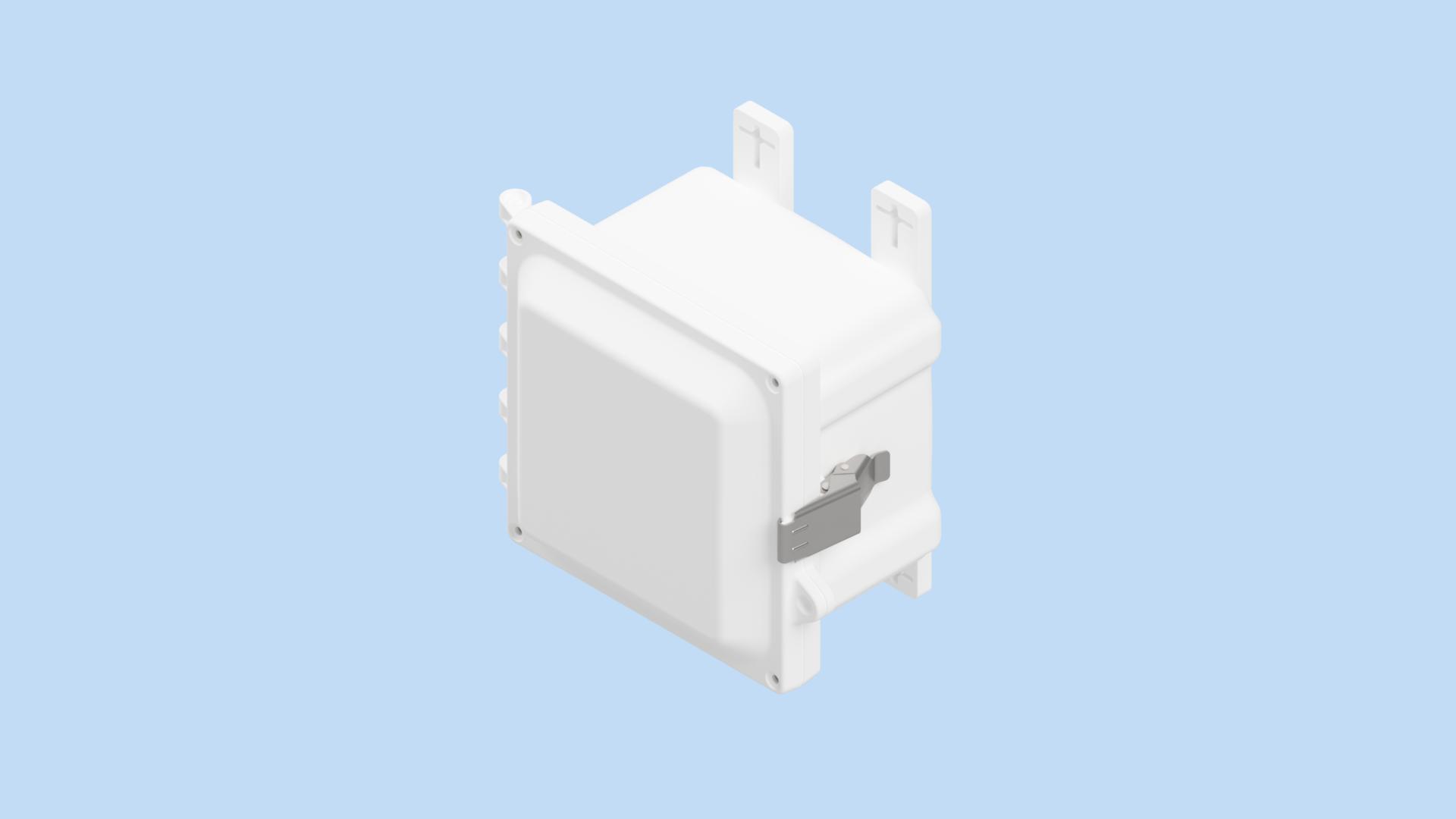
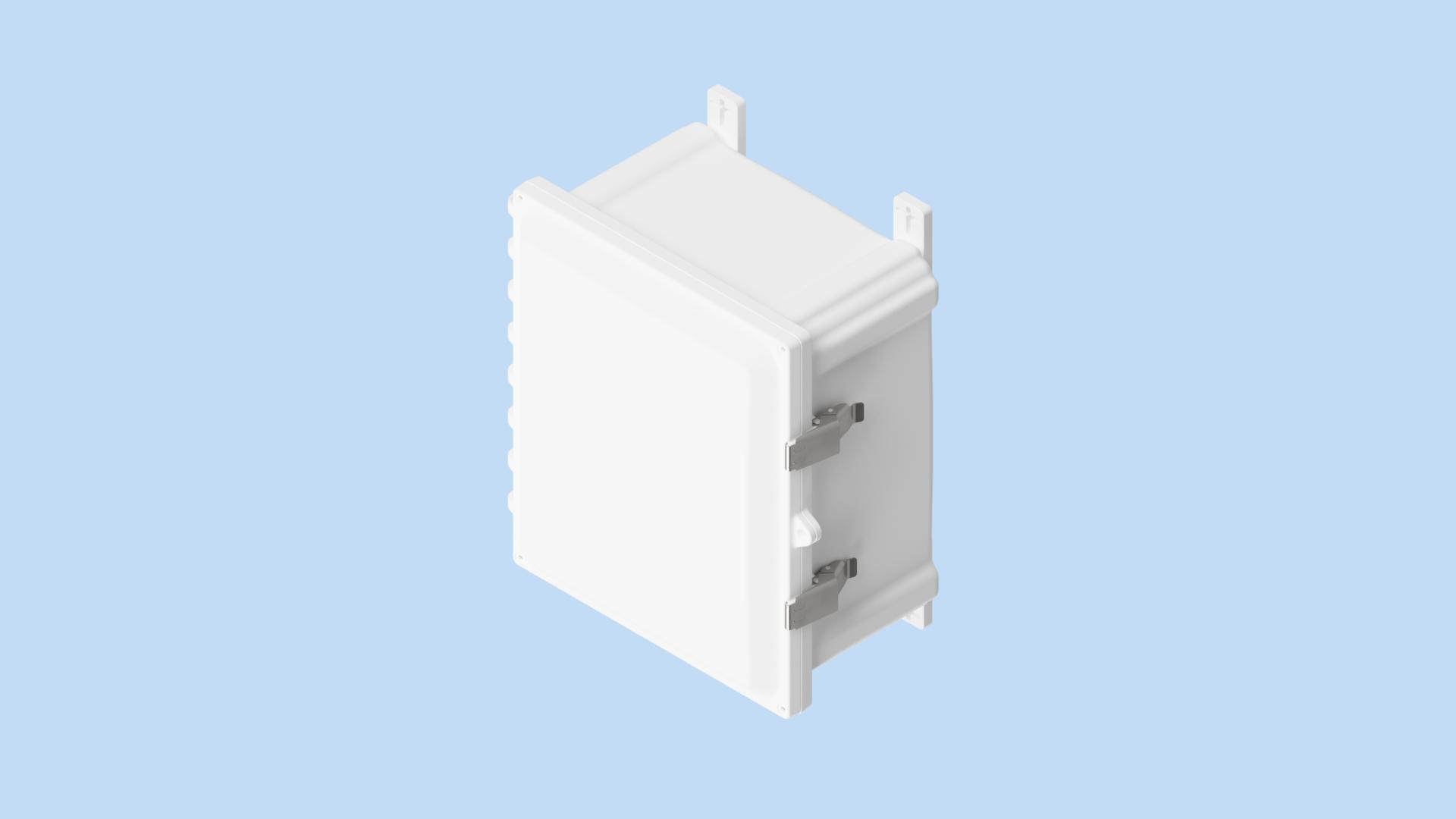
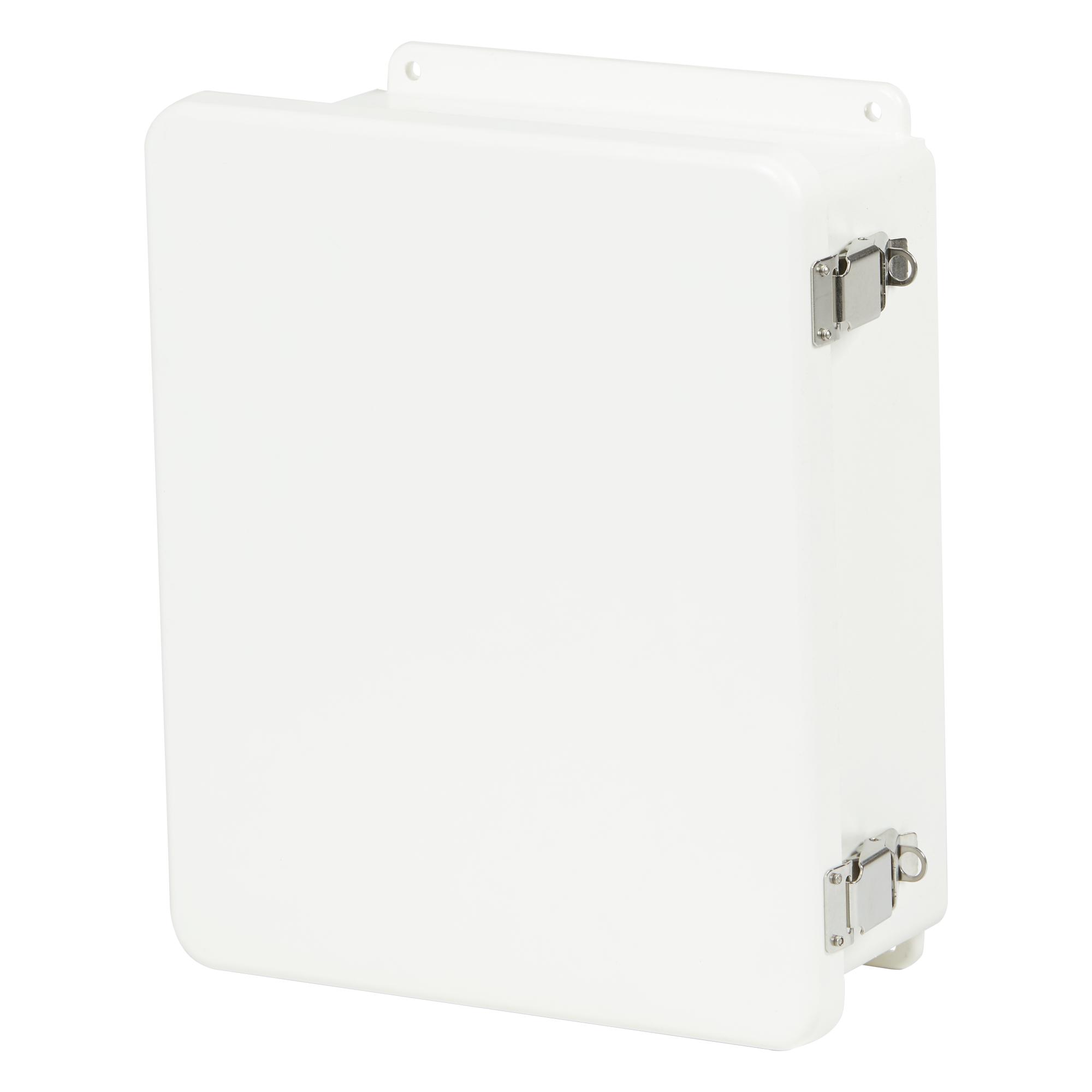
An electrical enclosure houses and protects switches, breakers, contactors, and other control components from dust, moisture, and physical damage, while also protecting personnel from accidental contact with energized parts. If you’re asking what is the function of electrical enclosures, it comes down to two things: environmental protection rated by NEMA or IP classification, and a safe, organized housing for panel-mounted components. Stainless steel electrical enclosures are a common choice for washdown, corrosive, or outdoor environments, since stainless resists rust and holds up to repeated cleaning better than painted steel. Because condensation inside a sealed enclosure can damage sensitive components, many facilities look into how to prevent condensation in electrical enclosures and why you should use heating/cooling in electrical enclosures — internal heaters and thermostatically controlled fans or air conditioners both help maintain a stable internal temperature and humidity level. 3BG Supply Co. stocks electrical enclosures and electrical enclosure parts across multiple NEMA ratings and materials.
Find the right Enclosures for your needs.
FAQs
What is an electrical enclosure?
An electrical enclosure is a protective housing for switches, breakers, contactors, and other electrical components, shielding them from dust, moisture, and physical damage while also protecting people from accidental contact with energized parts. Enclosures are rated by NEMA (in North America) or IP classifications to indicate their level of environmental protection.
What is the function of electrical enclosures beyond protection?
Beyond environmental and personnel protection, electrical enclosures organize and mount control components in a defined space, simplify wiring layouts, and can provide grounding and bonding points required for code compliance. They also make it easier to isolate power for maintenance through a single access point.
Why should I use heating or cooling in an electrical enclosure?
Enclosure heating and cooling help maintain a stable internal temperature, preventing sensitive electronics from overheating in hot environments or from condensation forming during temperature swings in cold or humid ones. Without temperature control, components can suffer from thermal stress, moisture damage, or reduced service life.
How do I prevent condensation in electrical enclosures?
Common methods include installing a thermostatically controlled enclosure heater to keep internal air above the dew point, using drip loops on incoming conduit, and ensuring proper enclosure sealing (gaskets, cable glands) to limit moisture infiltration. Enclosure breathers or vents with condensation-resistant designs can also help in some applications.
When should I choose a stainless steel electrical enclosure over painted steel?
Stainless steel electrical enclosures are the better choice in washdown, food processing, chemical, or outdoor environments where corrosion resistance and repeated cleaning are priorities. Painted steel enclosures are generally more cost-effective for indoor, non-corrosive environments where budget is the primary concern.
What electrical enclosure parts commonly need replacement?
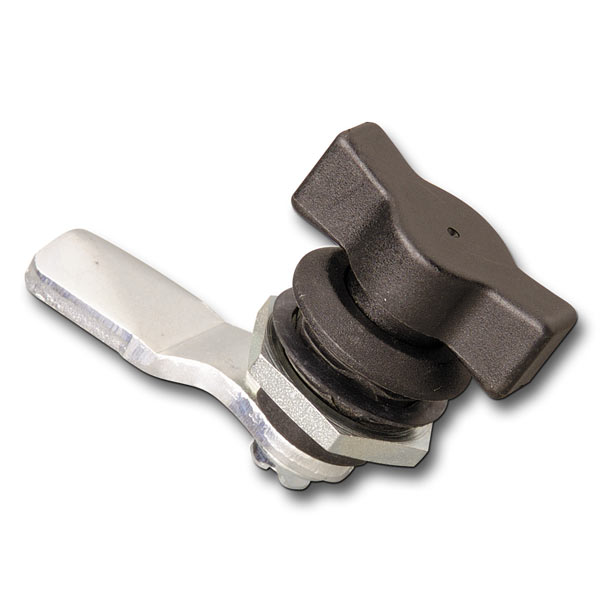
Commonly replaced electrical enclosure parts include door gaskets and seals, hinges and latches, mounting panels, and enclosure heaters or fans, since these components experience the most wear from repeated access and environmental exposure. Keeping seals and latches in good condition is especially important for maintaining the enclosure's rated protection level.
Industrial Enclosures Manufacturers
Your Trusted Source for MRO Supplies from Top Brands